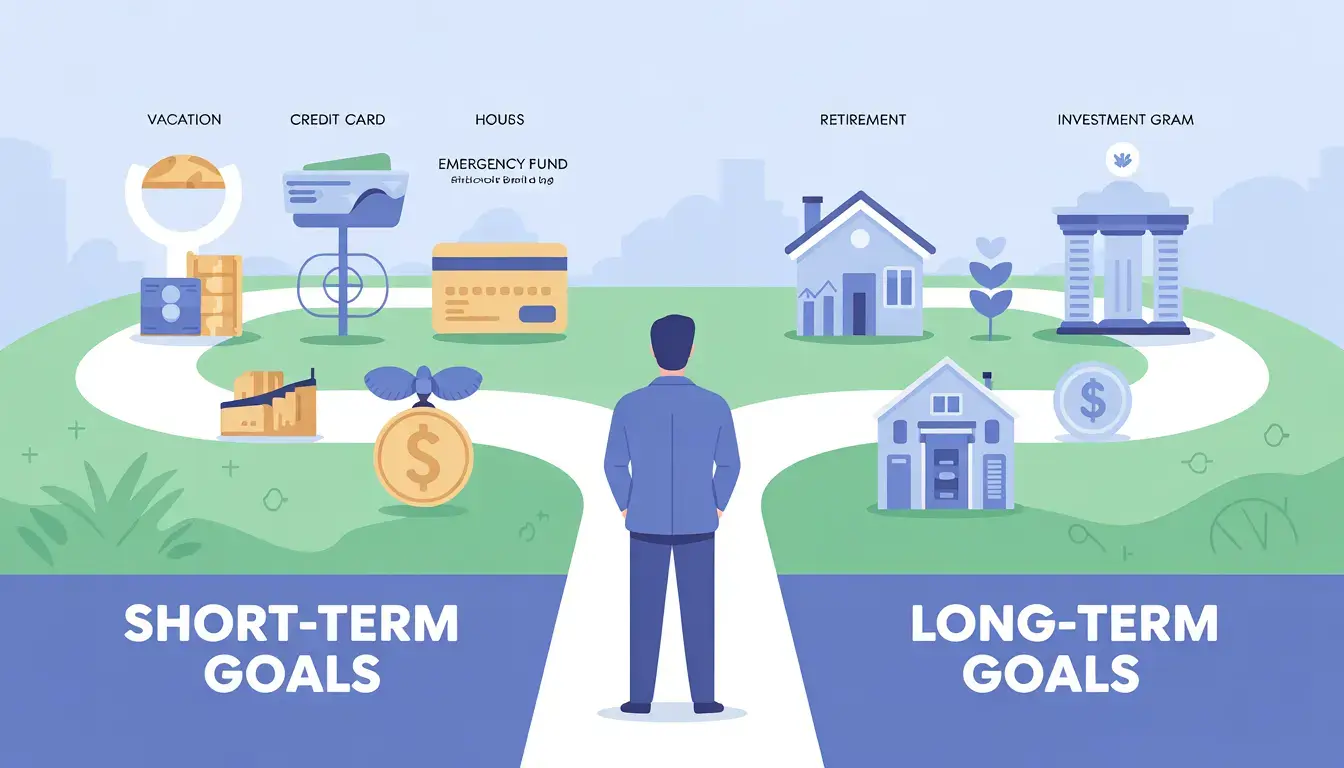
Understanding short-term vs long-term financial goals is one of the most important skills in personal finance. Many people work hard, earn money, and still feel financially stuck not because they don’t earn enough, but because they don’t manage their goals properly.
When you clearly understand the difference between short-term and long-term financial goals, you can make smarter decisions, reduce financial stress, and build wealth faster. This guide will help you master financial goals planning using practical examples and proven strategies.

Table of Contents
What Are Short-Term vs Long-Term Financial Goals?
In personal finance, goals are divided based on time. Some goals need to be achieved quickly, while others require years of consistent effort. Knowing how to separate and manage short-term and long-term financial goals in personal finance creates a strong financial foundation.
What Are Short-Term Financial Goals?
Definition of Short-Term Financial Goals
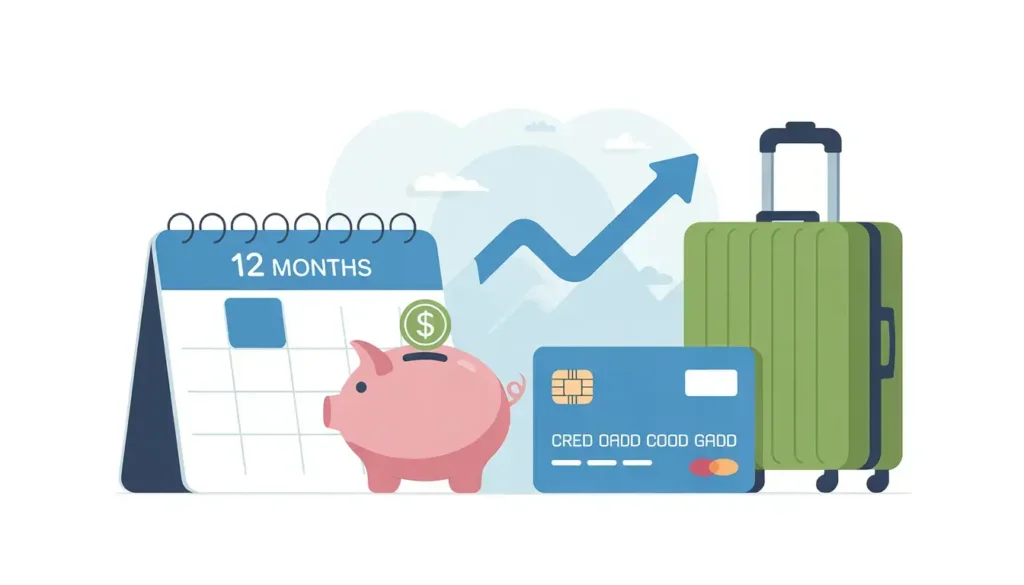
Short-term financial goals are objectives you want to achieve within one year or less. These goals focus on immediate needs and lifestyle improvements.
Key Features of Short-Term Financial Goals
Short-term financial goals usually:
- Have a time frame of 3 to 12 months
- Require low to moderate amounts of money
- Focus on cash savings rather than investments
- Are flexible and can change quickly
Examples include paying off a credit card, saving for a vacation, or building a small emergency fund.
Why Short-Term Financial Goals Matter
Short-term financial goals keep you motivated. They create quick wins and help develop discipline, which is essential for long-term success in financial goal setting.
What Are Long-Term Financial Goals?
Definition of Long-Term Financial Goals
Long-term financial goals take five years or more to achieve. These goals shape your future lifestyle and financial security.
Key Features of Long-Term Financial Goals
Long-term financial goals typically:
- Have a long time horizon (5–30 years)
- Involve large amounts of money
- Depend on investing and compounding
- Require long-term commitment
Why Long-Term Financial Goals Matter
Long-term goals protect your future. Without them, retirement, home ownership, and financial independence become uncertain. They are the backbone of short-term and long-term financial planning.
Examples of Short-Term Financial Goals
Common Short-Term Financial Goals
Building an Emergency Fund
An emergency fund covers 3–6 months of expenses. It is essential in personal finance planning to handle job loss, medical emergencies, or urgent repairs.
Paying Off High-Interest Debt
Clearing credit cards and personal loans saves thousands in interest and improves cash flow.
Saving for a Vacation
Planning a holiday without debt is a smart example of short-term vs long-term financial goals examples.
Buying a New Phone or Gadget
Instead of using credit, saving monthly helps build healthy financial habits.
Covering Medical or Repair Expenses
Short-term savings prevent financial stress during unexpected events.
Examples of Long-Term Financial Goals
Common Long-Term Financial Goals
Saving for Retirement
Retirement is the most critical long-term goal. Starting early is key to success.
Buying a Home
Home ownership requires years of disciplined saving and investing.
Funding a Child’s Education
Education costs rise every year, making early planning essential.
Achieving Financial Independence
Financial independence means living comfortably without relying on active income.
Building Generational Wealth
This goal focuses on creating assets that benefit future generations.
Key Differences Between Short-Term and Long-Term Financial Goals
Understanding the difference between short-term and long-term financial goals helps you build a clear and realistic money plan. Both types of goals play unique roles in your financial life, and when managed correctly, they work together to create long-term stability and wealth.
Time Horizon Differences
The biggest difference in short-term vs long-term financial goals is the time frame.
Short-term financial goals are designed to be achieved quickly, usually within a few months to one year. These goals focus on immediate needs such as paying bills, saving for emergencies, or planning a vacation.
Long-term financial goals take five years or more to achieve. These include major life objectives such as retirement, buying a home, or building wealth. Because of the long time horizon, they require patience, consistency, and long-term planning.
Time-based planning is essential in short-term and long-term financial goals in personal finance because it determines where your money should be kept and how it should grow.
Risk Level Differences
Risk tolerance is another major factor in the difference between short-term and long-term financial goals.
Short-term goals require maximum safety. Since the money will be needed soon, you cannot afford to lose it. That is why low-risk options like savings accounts and fixed deposits are best for short-term planning.
Long-term goals allow for higher risk in exchange for higher returns. Because you have many years to recover from market ups and downs, long-term investing can include stocks and equity funds. Over time, market growth helps your money beat inflation.
This balance of safety and growth is a core principle of smart financial goals planning.
Investment Strategy Differences
The time horizon and risk level directly affect your investment strategy.
Short-term goals should focus on liquidity and capital protection. Your money must be easy to access and protected from market volatility. That is why savings accounts, liquid funds, and short-term deposits are ideal.
Long-term goals focus on wealth creation. Investments like stocks, mutual funds, ETFs, and real estate grow over time through compounding. These assets may fluctuate in the short run but deliver strong returns over long periods.
This is a critical concept in short-term vs long-term financial planning strategies.
Flexibility and Commitment Levels
Short-term goals are naturally more flexible. If your income changes or priorities shift, you can adjust these goals easily. For example, you may delay a vacation or reduce gadget spending.
Long-term goals require strong discipline and consistency. Retirement savings and wealth-building plans cannot be paused repeatedly without harming your future security. These goals demand long-term commitment and regular contributions.
This difference shows why both goal types must be managed differently in financial goal setting.
Impact on Financial Planning
Short-term and long-term goals together shape your complete financial roadmap.
Short-term goals create financial stability and control.
Long-term goals create financial growth and independence.
Ignoring either side leads to imbalance. Focusing only on short-term goals prevents wealth creation. Focusing only on long-term goals can cause cash shortages and stress.
True success comes from balancing both.

Short-Term vs Long-Term Financial Goals Comparison Table
Understanding short-term vs long-term financial goals with examples becomes easier when viewed side by side.
Time Frame Comparison
Short-term goals usually range from 0 to 12 months.
Long-term goals typically span 5 to 30 years.
Purpose and Priority Comparison
Short-term goals focus on stability, comfort, and lifestyle needs such as emergency savings or small purchases.
Long-term goals focus on wealth, security, and independence, including retirement and property ownership.
Risk Appetite Comparison
Short-term goals require low risk and high safety because the money is needed soon.
Long-term goals allow moderate to high risk since time reduces the impact of market volatility.
Best Investment Options Comparison
Short-term goals work best with:
- Savings accounts
- Liquid mutual funds
- Fixed deposits
Long-term goals work best with:
- Equity mutual funds
- Stocks and ETFs
- Real estate investments
This clear separation is essential for short-term and long-term financial goals for beginners.
How to Prioritize Short-Term vs Long-Term Financial Goals
Many people struggle with how to prioritize short-term and long-term financial goals. The key is to follow a logical order that builds stability first and wealth second.
Step 1: Clear High-Interest Debt First
High-interest debt, such as credit cards and personal loans, drains your income and blocks progress. Interest payments reduce your ability to save and invest.
Eliminating debt creates immediate financial relief and improves cash flow for future goals.
Step 2: Build an Emergency Fund
An emergency fund protects all other financial goals. Without it, unexpected expenses force you into debt or force you to sell investments early.
This step supports long-term success and aligns with strong emergency fund planning.
Step 3: Fund Essential Short-Term Goals
Once stability is built, focus on important short-term needs such as upcoming expenses, insurance deductibles, or planned purchases.
This prevents lifestyle disruptions and keeps your finances balanced.
Step 4: Start Investing in Long-Term Goals Early
Time is the most powerful factor in wealth building. The earlier you invest, the more compounding works in your favor.
Even small monthly investments grow significantly over decades. This principle is central to short-term vs long-term financial planning strategies.
How to Invest for Short-Term and Long-Term Financial Goals
Choosing the right investments is critical when managing short-term vs long-term financial goals. Your investment strategy must match your time horizon, risk tolerance, and financial priorities. Using the wrong investment for the wrong goal can seriously damage your financial progress.
Smart investors always separate money for short-term needs from money meant for long-term growth. This approach is essential in short-term and long-term financial planning.
Best Investments for Short-Term Financial Goals
Short-term financial goals require capital safety, liquidity, and stability. Since the money will be used soon, protecting it from market fluctuations is more important than chasing high returns.
High-Yield Savings Accounts
High-yield savings accounts are one of the safest places for short-term money. They offer better interest rates than regular savings accounts while allowing quick access to funds.
These accounts are perfect for emergency savings, upcoming bills, and planned purchases. Because there is no market risk, your money remains protected. This makes them ideal for short-term and long-term financial goals for beginners who are building financial discipline.
Fixed Deposits and Recurring Deposits
Fixed deposits (FDs) and recurring deposits (RDs) provide guaranteed returns with very low risk. They are suitable when you know exactly when you will need the money, such as in six months or one year.
FDs work well for lump-sum savings, while RDs are perfect for monthly savers. Both options offer stability and predictable growth, making them reliable tools in financial goals planning.
Liquid Mutual Funds
Liquid mutual funds invest in short-term debt instruments and provide slightly higher returns than savings accounts with high liquidity.
They are suitable for parking money temporarily while earning modest growth. Because they are low-risk and easy to withdraw, liquid funds fit perfectly into short-term vs long-term financial planning strategies.
Best Investments for Long-Term Financial Goals
Long-term financial goals focus on growth and wealth creation. Since you have years to ride out market ups and downs, you can invest in assets that deliver higher long-term returns.
Equity Mutual Funds and SIPs
Equity mutual funds are one of the most powerful tools for long-term wealth building. Through Systematic Investment Plans (SIPs), you can invest small amounts regularly and benefit from compounding.
Over time, equity funds help beat inflation and build significant wealth. They are ideal for retirement, education, and financial independence goals and are central to short-term and long-term financial goals in personal finance.
Retirement Accounts (401(k), IRA, PPF)
Retirement accounts offer tax benefits along with long-term security. These accounts are specifically designed for future financial protection.
By investing consistently in retirement plans, you build a strong financial foundation while reducing your tax burden. This makes them essential in any long-term financial strategy.
Stocks and ETFs
Stocks and Exchange-Traded Funds (ETFs) provide high growth potential for patient investors. Although they may fluctuate in the short term, historically they deliver strong long-term returns.
For investors with a long horizon, stocks and ETFs are excellent tools for aggressive wealth creation within short-term vs long-term financial goals with examples.
Real Estate Investments
Real estate creates wealth through property appreciation and rental income. It provides diversification and long-term stability.
Over time, property values rise and rental income increases, making real estate a powerful asset for long-term financial independence.
How Life Stage Affects Short-Term and Long-Term Financial Goals
Your financial goals naturally evolve as you move through different stages of life. Understanding this helps you adjust your priorities and maintain balance between present needs and future security.
Financial Goals in Your 20s and 30s
This stage is about building financial foundations. Priorities include:
- Creating savings habits
- Learning financial planning for beginners
- Paying off early debts
- Starting long-term investments
Because time is on your side, even small investments can grow significantly.
Financial Goals in Your 30s and 40s
During this phase, responsibilities increase. Common priorities include:
- Children’s education planning
- Home ownership
- Career advancement
- Expanding investment portfolios
Balancing family needs with long-term wealth building becomes the key focus of short-term and long-term financial planning.
Financial Goals in Your 50s and Beyond
At this stage, the focus shifts to protecting wealth and ensuring income stability. Priorities include:
- Strengthening retirement savings
- Reducing financial risk
- Preserving capital
- Planning estate transfers
This stage requires more conservative strategies to protect what you have built over decades.
How to Balance Short-Term and Long-Term Financial Planning
Many people ask how to balance short-term and long-term financial goals.
Why You Need Both Short-Term and Long-Term Goals
Short-term goals keep you stable.
Long-term goals make you wealthy.
Using Short-Term Goals as Stepping Stones
Short-term success builds confidence for bigger goals.
Creating a Blended Financial Strategy
Allocate income to both savings and investments every month.
Common Mistakes When Managing Financial Goals
Mixing Short-Term and Long-Term Funds
Using retirement money for vacations damages future security.
Ignoring Inflation
Inflation destroys long-term purchasing power.
Delaying Long-Term Investing
Late starters must invest more to catch up.
Lack of Clear Goal Timelines
Without deadlines, goals remain dreams.
How to Track and Adjust Financial Goals Over Time
Review Financial Goals Annually
Your priorities change with life.
Use Financial Planning Tools and Apps
They simplify financial goals planning.
Adjust Goals After Major Life Changes
Marriage, children, and career shifts require updates.
Celebrate Financial Milestones
Rewards keep motivation high.
Why Understanding Short-Term vs Long-Term Financial Goals Matters
Better Money Management
Clear goals improve budgeting discipline.
Reduced Financial Stress
Preparedness prevents panic.
Faster Wealth Building
Focused planning accelerates success.
Final Thoughts on Short-Term vs Long-Term Financial Goals
Building a Financial Roadmap for Life
Mastering short-term vs long-term financial goals with examples gives you full control over your money journey.
Start Today for a Secure Financial Future
To build a strong money roadmap, combine this strategy with our complete guide on personal finance planning for long-term success.

FAQs
What is the main difference between short-term and long-term financial goals?
The main difference between short-term and long-term financial goals is time. Short-term goals are achieved within one year, while long-term goals take five years or more.
Can I work on short-term and long-term financial goals at the same time?
Yes, you should balance both. Short-term goals provide financial stability, while long-term goals build wealth and future security.
What are examples of short-term vs long-term financial goals?
Short-term goals include building an emergency fund or saving for a vacation. Long-term goals include retirement planning, buying a home, and financial independence.
How do beginners manage short-term and long-term financial goals?
Beginners should first clear debt, build emergency savings, and then start small long-term investments. This creates a strong financial foundation.
Why are long-term financial goals important?
Long-term financial goals protect your future lifestyle, help beat inflation, and ensure financial independence after retirement.
According to Wikipedia, financial planning is the process of managing finances to meet life goals, which perfectly supports both short-term and long-term financial goals.