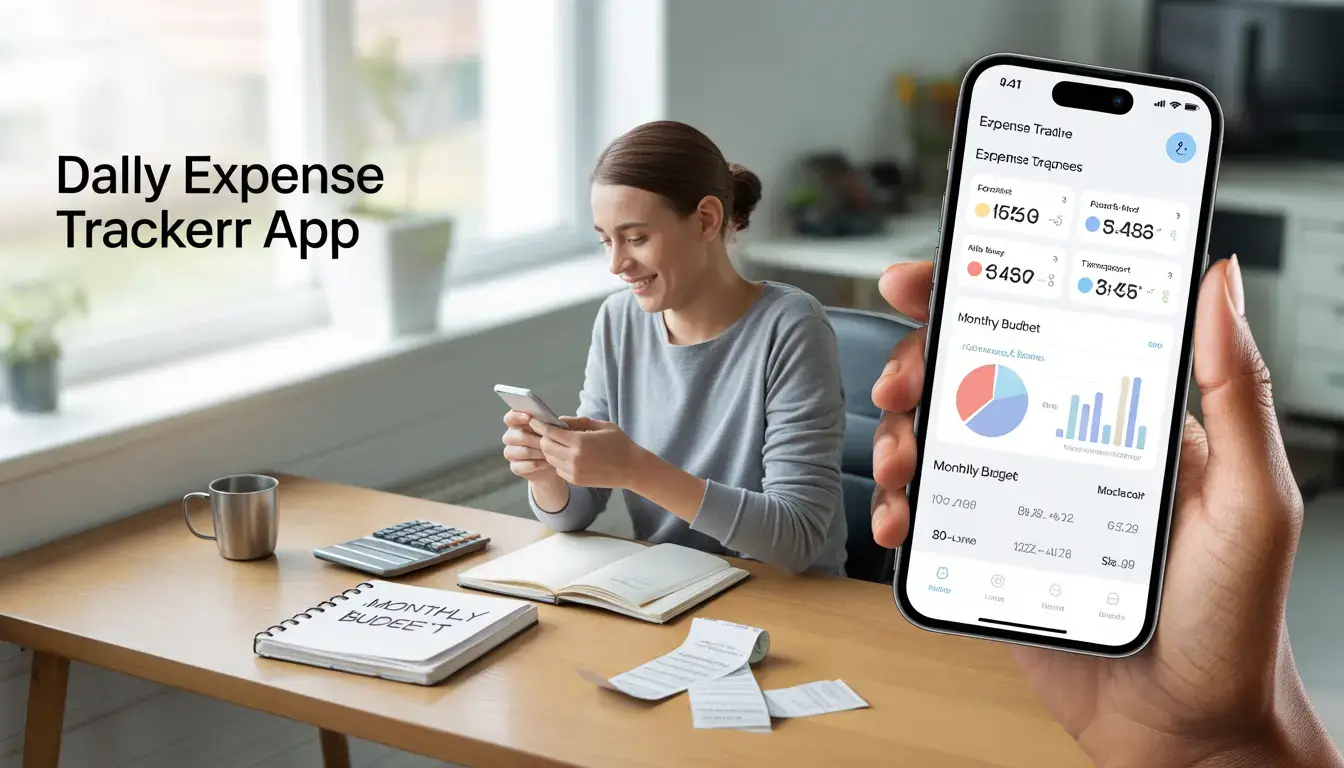
Managing money has become more challenging than ever. With rising living costs, subscriptions, online shopping, and digital payments, many people don’t realize how quickly small expenses add up. This is where a daily expense tracker app becomes an essential financial tool.
A daily expense tracker app helps you record, monitor, and analyze your spending so you can make informed decisions about your money. Whether you want to save more, stop overspending, or simply understand where your income goes each month, using the right expense tracker app can completely transform your financial life.
In this guide, you’ll learn how a daily expense tracker app works, why it’s important, how to use one effectively, and how to choose the best daily expense tracker app for beginners and experienced users alike.
Table of Contents
Why Use a Daily Expense Tracker App?
Using a daily expense tracker app is one of the simplest and most effective steps toward better financial management. Instead of guessing where your money went, you get clear, real-time visibility into your spending habits.
Streamlined Expense Logging
One of the biggest benefits of a track daily spending app is how easy it makes expense logging. Most apps allow you to add expenses in seconds by entering the amount, category, and payment method.
Some advanced expense tracking apps can automatically record transactions by syncing with your bank account, saving time and reducing errors. This streamlined process encourages consistency, which is the key to successful expense tracking.
Budgeting Support and Alerts
A good budgeting app doesn’t just track spending it helps you control it. You can set monthly or weekly budgets for categories like food, transport, or entertainment.
When you approach or exceed your budget, the app sends alerts. This real-time feedback helps prevent overspending and supports smarter financial choices.
Real-Time Spending Insights
A personal expense tracker gives you instant insights into your spending behavior. You can quickly see patterns, such as how much you spend on eating out or subscriptions.
These insights make it easier to cut unnecessary expenses and redirect money toward savings or financial goals.
Recurring Bill Management
Many daily expense tracker apps help manage recurring bills such as rent, utilities, insurance, and subscriptions. You can set reminders for due dates and track how much of your income goes toward fixed expenses.
This feature is especially helpful for avoiding late fees and improving long-term budgeting accuracy.
Key Features of the Best Daily Budgeting Apps
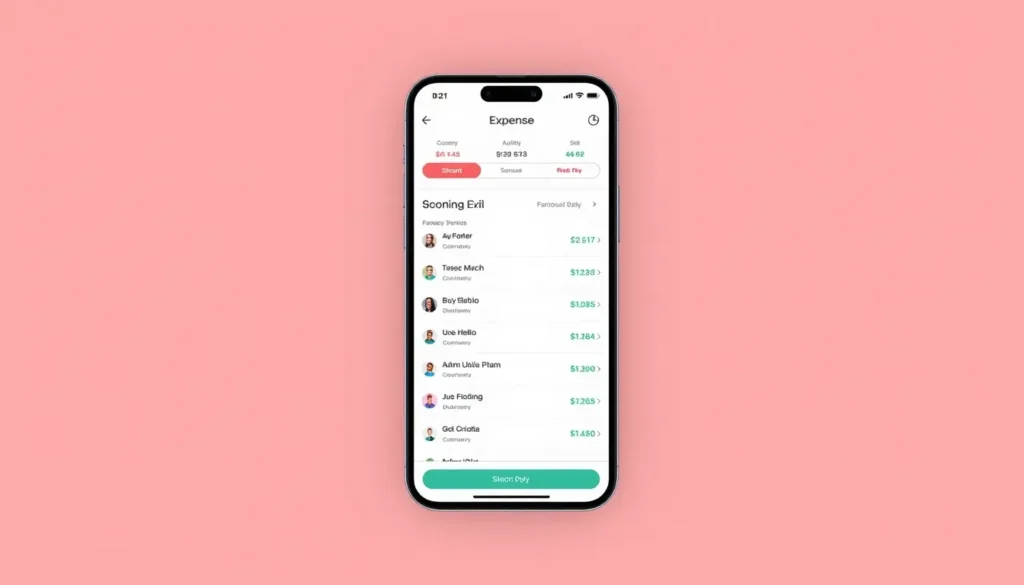
The best expense tracker apps for budgeting share certain features that make them reliable, secure, and easy to use.
User-Friendly Interface
A clean, simple interface is critical, especially for beginners. The best daily expense tracker app for beginners is intuitive and easy to navigate, making daily logging effortless.
Real-Time Expense Logging
Whether manual or automatic, real-time logging ensures accuracy. Automatic tracking is ideal for users who want to track daily spending automatically, while manual entry suits those who prefer full control.
Expense Categorization
Categorizing expenses into groups like food, transport, bills, and entertainment helps you understand where your money goes. Over time, this categorization reveals spending habits that may need adjustment.
Reports and Analytics
Visual reports such as charts and graphs make it easy to analyze spending trends. Weekly, monthly, and yearly summaries help users understand progress and improve budgeting decisions.
Multi-Device Synchronization
Multi-device synchronization allows you to access your data across smartphones, tablets, or desktops. This is especially useful for couples or individuals managing finances on multiple devices.
Security and Data Protection
A reliable expense tracker app with bank sync must prioritize security. Features such as encryption, biometric login, and two-factor authentication protect sensitive financial data.

Steps to Track Expenses with an App
If you’re wondering how to track expenses with an app, follow these simple steps.
Choose the Right Expense Tracker App
Start by identifying your needs. Do you want automation, manual tracking, or both? Beginners often benefit from starting with a free daily expense tracker app before upgrading.
Set Up Your Account
Create your account and customize settings such as currency, expense categories, and financial goals. Personalization makes the app more effective.
Link Bank Accounts (Optional)
Linking bank accounts allows automatic expense tracking. If privacy is a concern, manual tracking is still effective and widely supported.
Categorize Your Spending
Assign a category to each expense. This step is essential for accurate reports and better budgeting insights.
Create Monthly Budgets
Set realistic monthly budgets based on your income and spending history. A strong budgeting app makes this process simple and flexible.
Log Daily Expenses
Consistency is crucial. Logging expenses daily ensures accurate data and helps you build better financial habits.
Use Notifications and Reports
Enable notifications and review reports regularly. These tools keep you accountable and aware of your financial progress.
Top Daily Expense Tracker Apps
There are many expense tracking apps available today, and choosing the right one depends on your financial habits, experience level, and goals. Some apps are designed for simplicity, while others focus on advanced budgeting, automation, and analytics. Understanding which category fits you best makes it easier to stay consistent and get real value from a daily expense tracker app.
Best Apps for Beginners
Beginner-friendly apps focus on simplicity, manual logging, and clear dashboards. These apps are perfect for people who are new to budgeting and want to learn how to track daily expenses on phone without feeling overwhelmed.
Most beginner apps avoid complex features and instead prioritize easy expense entry, basic categorization, and simple summaries. This allows users to build the habit of daily tracking before moving on to advanced tools. A daily expense tracker app for beginners should feel intuitive and encouraging rather than complicated.
Best Apps for Budget Planning
Budget-focused apps are ideal for users who want full control over their finances. These apps offer advanced features such as category-based budgets, monthly spending limits, goal tracking, and detailed reports.
They are especially useful for families or individuals managing multiple expenses and income sources. With strong analytics and visual insights, these apps help users identify problem areas and improve financial discipline over time. If budgeting is your main goal, these best expense tracker apps for budgeting provide deeper financial visibility.
Best Apps for Overspenders
Some people struggle with impulsive spending, and for them, control-focused apps work best. These apps include real-time alerts, spending warnings, and strict category limits to prevent overspending.
By sending notifications when you approach or exceed a budget, these apps create awareness at the moment it matters most. Over time, this helps change spending behavior and encourages smarter financial decisions. For users who want accountability, these expense tracker apps act like a financial guardrail.
Free vs Paid Expense Tracker Apps
Free expense tracker apps are excellent for basic tracking and learning purposes. They usually include manual expense entry, simple reports, and limited customization. For many users, a free daily expense tracker app is more than enough to manage day-to-day spending.
Paid apps, on the other hand, offer premium features such as bank synchronization, automatic expense tracking, advanced analytics, cloud backups, and multi-device support. These features save time and provide deeper insights, making paid apps suitable for users who want automation and long-term financial planning.
Choosing between free and paid versions depends on your budget, goals, and how much automation you want in your financial life.
How to Choose the Best App to Log Purchases
Choosing the right daily expense tracker app is essential for long-term success in managing your finances. The best app is not necessarily the most popular one, but the one that fits your lifestyle, spending habits, and financial goals. Taking time to evaluate your options ensures you stay consistent and get real value from expense tracking.
Evaluate Personal Financial Needs
Start by identifying what you actually need from an expense tracker app. Some users prefer simple manual logging, while others want automation through bank synchronization. If you travel frequently or earn in different currencies, multi-currency support becomes important.
Your financial goals also matter basic tracking, budgeting, debt reduction, or investment monitoring. Choosing an app that aligns with your lifestyle makes daily expense tracking easier and more sustainable.
Compare Pricing and Features
Not all features are necessary for everyone. Free apps usually offer manual expense tracking, basic categorization, and simple reports, which are often enough for beginners.
Paid versions may include advanced analytics, automatic tracking, cloud backups, and multi-device sync. Always compare pricing with features to ensure you’re not paying for tools you don’t need. This step is crucial when selecting the best daily expense tracker app.
Check Device Compatibility
Before committing, make sure the app works smoothly on your device. Check whether it supports your phone’s operating system (Android or iOS) and whether it syncs properly across devices if you use more than one.
A track daily spending app should be fast, stable, and responsive. Poor performance can quickly discourage regular use.
Read User Reviews
User reviews provide real-world insights that marketing descriptions often don’t mention. Reviews can reveal common issues such as bugs, hidden costs, or poor customer support.
Pay attention to recent reviews to understand how actively the app is maintained and whether updates improve or worsen the user experience.
Test Free Trials
Whenever possible, test an app using a free trial or free version. This allows you to explore the interface, features, and overall usability before committing financially.
Testing helps you find the app that feels natural to use daily, which is essential for building a long-term habit of expense tracking.
Tips for Maximizing the Use of Your Daily Budgeting App
Using a daily expense tracker app correctly is just as important as choosing the right one. Even the best app won’t help if it’s not used consistently. The following tips will help you get the maximum value from your budgeting app and improve your overall financial habits.
Log Expenses Regularly
Consistency is the foundation of successful expense tracking. Make it a habit to log expenses daily, either immediately after a purchase or at a fixed time each day.
Regular logging ensures your data stays accurate and gives you a clear picture of your spending habits. Over time, this habit makes it easier to identify unnecessary expenses and improve money management using a track daily spending app.
Set Realistic Budget Limits
Setting budgets that are too strict often leads to frustration and failure. Instead, start with realistic spending limits based on your actual income and past spending patterns.
As you get better at tracking expenses, you can gradually adjust your budget to save more. A well-balanced budget makes your budgeting app feel supportive rather than restrictive.
Enable Notifications
Notifications are powerful tools for staying on track. Alerts can notify you when you’re close to exceeding a budget or when a bill payment is due.
These reminders increase awareness and help prevent overspending. When used correctly, notifications turn your daily expense tracker app into a personal financial assistant.
Analyze Spending Reports
Spending reports and visual charts help you understand where your money goes each month. Reviewing these reports regularly allows you to spot trends, reduce wasteful spending, and redirect money toward savings or financial goals.
Using reports effectively is one of the most valuable features of modern expense tracking apps.
Common Challenges and How to Overcome Them
Even the best daily expense tracker app can feel challenging in the beginning. The key is to recognize common problems early and use simple strategies to overcome them.
Staying Consistent with Expense Logging
Many users stop tracking because they forget or feel it takes too much time. To avoid this, set daily reminders or log expenses immediately after making a purchase.
Choosing an app with quick-entry features also makes consistency easier and helps build a long-term habit.
Managing Multiple Accounts or Currencies
If you manage multiple bank accounts, credit cards, or use different currencies, tracking can feel overwhelming. Choose apps that support multiple accounts and currency conversion.
This feature is especially useful for travelers, freelancers, or anyone with international income sources using a personal expense tracker.
Ensuring Data Privacy and Security
Data security is a common concern when using financial apps. Protect your information by choosing reputable apps with strong privacy policies.
Always use strong passwords, enable two-factor authentication, and avoid using public Wi-Fi when accessing financial data. A secure app ensures peace of mind while managing your finances.
To understand the concept of budgeting in detail, you can also explore the definition of budgeting on Wikipedia.
FAQs About Daily Expense Tracker Apps
What is a daily expense tracker app?
A daily expense tracker app is a mobile or web-based tool that helps users record, organize, and analyze their daily spending. It provides insights into spending habits and supports better money management.
How does an expense tracker app help budgeting?
An expense tracker app helps budgeting by showing exactly where your money goes. It allows you to set spending limits, track categories, and receive alerts when you’re close to overspending.
Are expense tracker apps safe to use?
Most reputable expense tracker apps use advanced security features such as encryption, secure logins, and data protection measures to keep your financial information safe.
Which expense tracker app is best for beginners?
The best expense tracker apps for beginners are simple, easy to use, and often free. They focus on manual logging, clear dashboards, and basic budgeting features to help users build good financial habits.
Conclusion
A daily expense tracker app is one of the most powerful tools you can use to improve your financial health and gain full control over your money. By recording your daily expenses, categorizing spending, and analyzing reports, these apps make it easier to understand where your money goes and where it can be saved.
Whether your goal is to reduce unnecessary spending, build a monthly budget, pay off debt, or simply develop better money habits, using an expense tracker app provides clarity and structure. Instead of guessing how much you spend, you rely on real data that helps you make smarter financial decisions with confidence.
The key to success is consistency. Start by tracking small daily purchases, set realistic budget limits, and review your spending reports regularly. Over time, these simple actions lead to better financial discipline and long-term stability. With the right daily expense tracker app, managing money becomes less stressful and more empowering. Let technology support your journey toward financial success one expense at a time.
For better money management, combine expense tracking with smart budgeting strategies by reading our complete guide on personal budgeting tips for beginners.