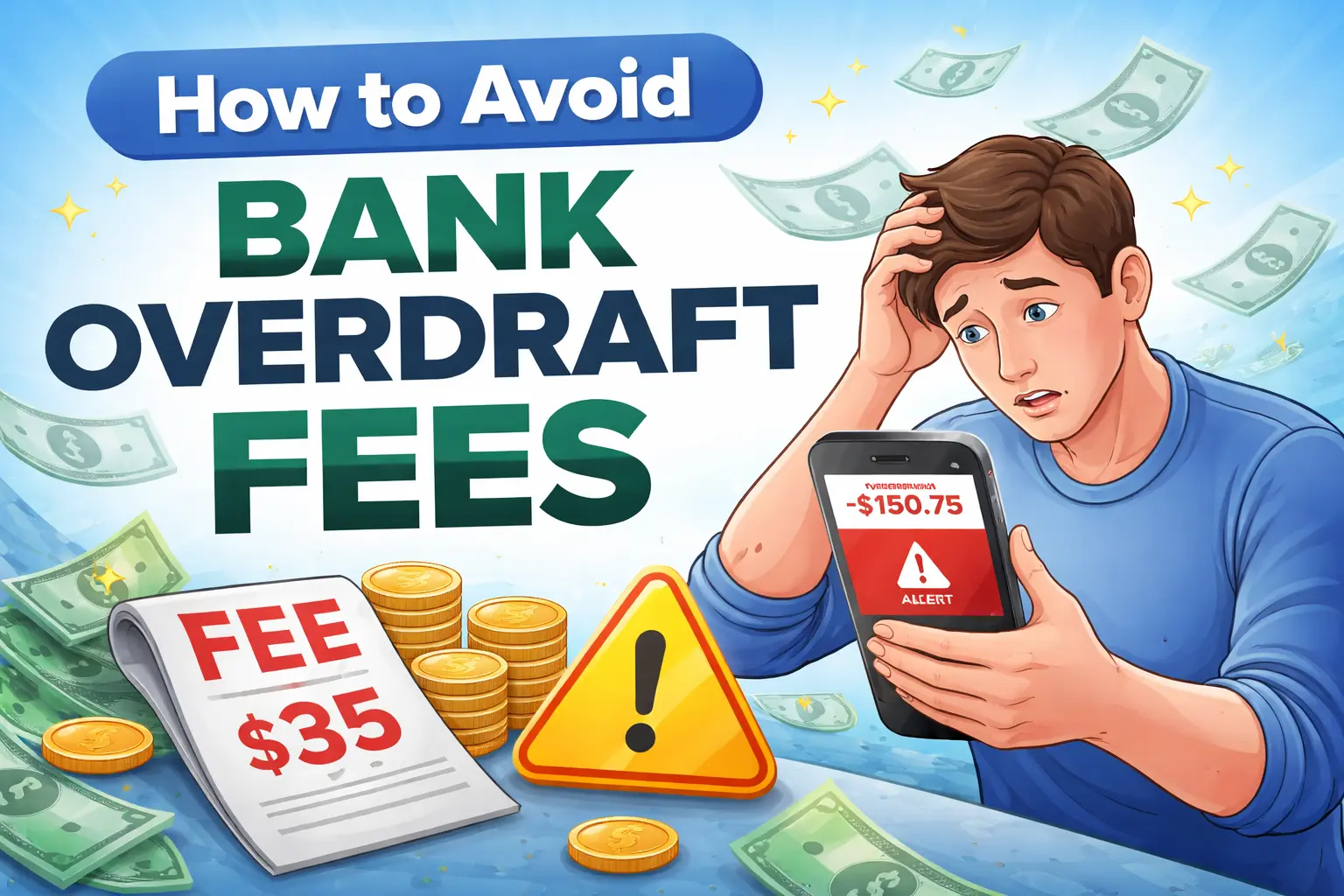
If you want to learn how to avoid bank overdraft fees, you are not alone. Millions of Americans pay expensive overdraft fees every year because of a simple mistake in their checking account balance. When a transaction exceeds the available balance in your account, the bank may approve the payment and charge an additional overdraft fee, which usually ranges from $30 to $35.
Understanding how to avoid bank overdraft fees is important if you want to protect your finances and stop unnecessary bank fees. In this guide, you will learn what overdraft fees are, see a real overdraft fee example, and discover practical strategies that help you avoid overdraft charges in the future.
What Is an Overdraft Fee?
An overdraft fee is a charge that banks apply when your account balance goes below zero. This situation is called a bank overdraft because the transaction amount is higher than the available balance in your checking account.
For example, if your account has $40 and you spend $70 using your debit card, the bank may allow the transaction to go through. When this happens, your account enters a negative bank balance, and the bank charges an overdraft fee.
Many major banks such as Bank of America, Chase Bank, and Wells Fargo charge overdraft fees for transactions that exceed your balance.
When looking to save on your weekly groceries, using the best cashback apps for groceries in the USA can help you earn money back on everyday purchases. These apps make budgeting easier while giving you rewards for shopping smarter.”

Table of Contents
Overdraft Fee Example
Understanding a simple overdraft fee example can help explain why these charges occur.
Example scenario:
Account balance = $50
Purchase amount = $75
After the purchase, your account balance becomes negative:
$50 – $75 = –$25
If the bank charges a $30 overdraft fee, your new account balance becomes:
–$55
This example shows why it is important to learn how to avoid bank overdraft fees, because multiple transactions can create several overdraft charges in a single day.
If you’re worried about credit history affecting your banking options, there are several best banking apps without credit checks that let you manage your money freely while avoiding unnecessary fees.
10 Smart Ways to Avoid Bank Overdraft Fees
1. Monitor Your Checking Account Balance
One of the easiest ways to avoid bank overdraft fees is to regularly check your account balance. Monitoring your spending helps you prevent a negative bank balance before it happens.
2. Set Low Balance Alerts
Most banks allow customers to receive alerts when their account balance drops below a certain amount. These alerts help you react quickly and avoid overdraft charges.
3. Use Overdraft Protection
Overdraft protection allows your bank to transfer money from a linked savings account when your checking account balance is low. This can help you avoid expensive overdraft fees.
4. Opt Out of Debit Card Overdraft Coverage
Another effective way to avoid bank overdraft fees is to opt out of overdraft coverage for debit card transactions. If your balance is insufficient, the transaction will simply be declined instead of creating a negative balance.
5. Track Automatic Payments
Automatic bill payments can sometimes trigger overdraft fees if your balance is too low. Monitoring these payments can help you manage your checking account more effectively.
6. Maintain a Small Balance Buffer
Keeping a minimum balance in your checking account can prevent overdrafts. Even a small buffer like $100 can protect you from unexpected overdraft charges.
7. Use Budgeting Apps
Budgeting apps can help you track your spending and maintain control over your finances. These tools make it easier to manage your account and avoid overdraft fees.
8. Review Pending Transactions
Pending transactions may take time to process and can affect your available balance. Checking these transactions helps prevent accidental overdrafts.
9. Check Your Bank Statements Regularly
Reviewing your bank statements helps you identify unnecessary bank fees and track your spending habits.
10. Choose Banks With No Overdraft Fees
Some banks have eliminated overdraft fees completely. Choosing these banks can help you avoid overdraft charges entirely.
Keeping track of your expenses is crucial for financial health. Using budgeting apps for Americans to track spending helps you plan monthly budgets and ensures you never overspend.
How to Get Overdraft Fees Refunded
If you accidentally pay an overdraft fee, you may be able to request a refund from your bank. Many banks provide a courtesy refund if the overdraft happens occasionally.
Contact your bank’s customer service and politely ask if the fee can be waived.

Banks That Don’t Charge Overdraft Fees
Some financial institutions have removed overdraft fees to attract customers. These banks focus on transparent banking and customer-friendly policies.
Choosing a bank with no overdraft fees can help you save money in the long term.
Looking to boost your income? Exploring the 10 best freelance jobs for beginners can give you flexible earning opportunities, whether it’s writing, design, or virtual assistance.

FAQs
What happens if my bank account goes negative?
If your account balance drops below zero, it means a bank overdraft has occurred. The bank may approve the transaction and charge an overdraft fee, which usually ranges from $30 to $35. To prevent this situation, it’s important to learn how to avoid bank overdraft fees by monitoring your balance and setting low-balance alerts.
How can I avoid bank overdraft fees on my checking account?
The best way to avoid bank overdraft fees is to track your spending and monitor your checking account regularly. Setting balance alerts, maintaining a small buffer balance, and linking a savings account for overdraft protection can help prevent your account from going negative.
Can I get overdraft fees refunded?
Yes, many banks may refund overdraft fees if you contact customer support and request a courtesy waiver. Financial institutions such as Bank of America, Chase Bank, and Wells Fargo sometimes waive overdraft fees for customers with good banking history.
How do I stop overdraft fees on my debit card?
You can stop overdraft fees on your debit card by opting out of overdraft coverage in your bank settings. When overdraft coverage is disabled, transactions that exceed your balance will simply be declined instead of creating a negative bank balance.
What is the average overdraft fee in the United States?
The average overdraft fee in the United States is usually between $30 and $35 per transaction. Some banks may charge multiple overdraft fees per day if several transactions exceed the account balance.
Are there banks that don’t charge overdraft fees?
Yes, many online banks and digital banking platforms have eliminated overdraft fees completely. Choosing a bank that does not charge overdraft fees is one of the easiest ways to avoid bank overdraft fees in the future.
How can I manage my checking account to avoid overdraft?
You can manage your checking account by tracking transactions, reviewing bank statements, setting balance alerts, and keeping a minimum balance. These habits make it easier to avoid overdraft charges and maintain a healthy bank balance.
Conclusion
Understanding how to avoid bank overdraft fees is essential for protecting your finances and managing your checking account wisely. Overdraft fees may seem small at first, but repeated overdraft charges can quickly add up and create unnecessary financial stress.
By monitoring your account balance, setting low-balance alerts, and keeping a small buffer in your checking account, you can significantly reduce the risk of a bank overdraft. Options like overdraft protection and opting out of debit card overdraft coverage can also help prevent your account from going into a negative bank balance.
Many major banks, including Bank of America, Chase Bank, and Wells Fargo, provide tools such as balance alerts and mobile banking apps that make it easier to track your spending.
Ultimately, building simple financial habits—like checking your account regularly and planning your expenses—can help you avoid bank overdraft fees, reduce unnecessary bank fees, and keep your finances under control. Small changes in how you manage your money can make a big difference in maintaining a healthy bank account.
When using cashback apps, it’s important to understand how digital payments work. According to Wikipedia on Mobile Payment, these apps track purchases and reward users through cashbacks or points.